Key Takeaways
- A mountain property needs a review of access, utilities, insurance, drainage, snow load, and maintenance history, not just a standard inspection.
- Winter road and driveway conditions can affect safety, convenience, repair costs, and resale appeal.
- Wildfire planning should cover defensible space, home-hardening features, evacuation routes, and insurance options.
- Second-home buyers should budget for vacancy checks, snow removal, heating, and emergency repairs.
- Local knowledge can help buyers ask better questions, but it should never replace independent inspections or professional advice.
Mountain homes can offer extraordinary views, privacy, and easy access to skiing, hiking, and a resort lifestyle. However, the qualities that make a property memorable can also create ownership challenges. Buyers comparing Aspen, Snowmass Village, and the wider Roaring Fork Valley may benefit from speaking with a Snowmass Village CO real estate expert Steve Harriage. Steve Harriage is an Aspen-based real estate professional whose website offers property searches, home valuations, and neighborhood information for Aspen Snowmass and surrounding mountain communities. With more than two decades of luxury resort real estate experience and deep local familiarity with Snowmass and the Roaring Fork Valley, he can help buyers add practical local context to their property research.
A careful mountain-home purchase looks beyond square footage, finishes, and listing photography. Winter access, snow storage, wildfire exposure, drainage, utilities, insurance availability, and ongoing maintenance can all affect whether a home remains enjoyable and financially sensible over time.
Look Beyond the View
A dramatic ridgeline view or a secluded wooded lot can create an immediate emotional connection. Before making an offer, step back and consider how the property functions in every season. Review road grade, driveway slope, daily sun exposure, snow-storage areas, drainage routes, roof design, building age, and distance from groceries, medical care, and other services.
Check Winter Access and Road Care
A route that feels simple in July can be difficult after snow, ice, and repeated freeze-thaw cycles. Confirm whether roads are public or private, then identify who plows, sands, grades, repairs potholes, and clears drainage channels. If neighbors share responsibility, ask for written road-maintenance agreements, fee histories, and details about possible special assessments.
Walk or drive the access route yourself. Look for narrow turns, steep grades, limited sightlines, inadequate turnaround space, and places where plowed snow may block parking or garage access. If possible, visit during poor weather rather than relying on a summer showing.
Review Snow, Ice, and Moisture Risks
Snow is not simply a seasonal inconvenience. Roof loads, ice dams, meltwater, frozen pipes, and poorly directed runoff can damage roofs, decks, foundations, and interior finishes. Hire an inspector who understands mountain construction and ask for close attention to roof framing, attic ventilation, insulation, flashing, gutters, retaining walls, crawl spaces, chimneys, exterior stairs, and unheated utility areas.
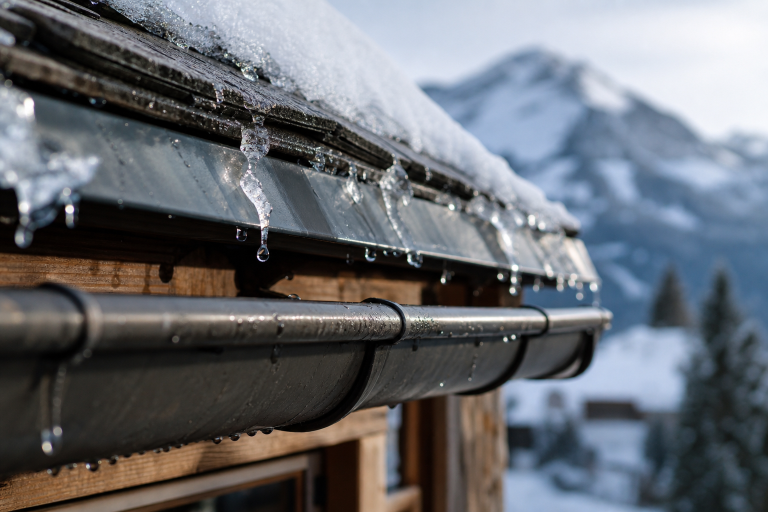
During the inspection, look for water stains in attics and upper walls, evidence of ice-dam damage, movement around foundations, loose deck supports, and exposed plumbing in garages or exterior walls. Also consider where snow slides from the roof and whether the landing area creates hazards near doors, walkways, vehicles, or mechanical equipment.
Study Wildfire Exposure and Home Hardening
Wildfire exposure can impact insurance policies, landscaping decisions, evacuation plans, construction improvements, and resale potential. Check the surrounding vegetation, nearby forest density, topography, roof materials, vents, deck gaps, wood piles, and emergency access points. Ask if brush clearing or fire-hardening measures have been taken, whether there are multiple practical evacuation routes in the neighborhood, and if emergency vehicles can access the driveway. Buyers should get insurance quotes early, as the property’s location and construction features can influence coverage options and costs.
Confirm Utilities and Emergency Services
Mountain properties often use systems that differ from urban or suburban homes. Confirm whether the property has municipal water, a private well, septic, propane, fuel oil, or another arrangement. Request well records, water tests, septic permits, tank locations, utility bills, generator information, service contracts, and internet coverage details.
Also, map travel times to healthcare facilities, grocery stores, airports, schools, and fire or ambulance services. Backup power deserves particular attention, especially for homes that may sit vacant during winter. A generator, monitored heating system, and reliable local caretaker can reduce the risk of frozen pipes or unnoticed outages.
Price Insurance and Ongoing Ownership Costs
The purchase price is only one part of affordability. Build an annual budget that includes mortgage payments, taxes, association dues, insurance, snow removal, road fees, heating, tree work, roof and gutter maintenance, exterior repairs, and a reserve for unexpected repairs. Seasonal properties may also require routine vacancy inspections, property management, and emergency call services.
Do not assume a standard homeowners policy will meet every need. Compare deductibles, exclusions, wildfire-related terms, replacement-cost limits, and requirements for vacant or rental properties before contingency deadlines expire.
Match the Property to Its Intended Use
A full-time residence, weekend retreat, and short-term rental require different standards. A home that works for occasional ski weekends may be impractical for year-round commuting. Likewise, rental income should never be assumed without reviewing zoning, local licensing rules, association bylaws, occupancy limits, parking, cleaning logistics, and insurance requirements.
Build a Mountain-Home Due Diligence List
- Define the intended use. Decide whether the home will be a primary residence, second home, or rental.
- Map daily routines. Test drives to work, recreation, services, and the airport.
- Study the site. Review slope, drainage, sun exposure, access, vegetation, and nearby development.
- Request records. Gather permits, surveys, utility documents, association materials, and maintenance history.
- Quote insurance early. Confirm practical coverage before deadlines pass.
- Use qualified specialists. Hire professionals familiar with snow loads, steep sites, wells, septic systems, and mountain construction.
- Separate updates from repairs. Estimate cosmetic projects independently from structural, mechanical, and safety work.
Conclusion
The best mountain home is not always the one with the biggest view or newest finishes. It is the property that aligns with the buyer’s lifestyle, budget, access needs, safety plan, and long-term goals. A disciplined review of snow, wildfire, utilities, insurance, maintenance, and local rules can turn an exciting purchase into a more confident ownership decision.